In brief
Embroidered and embellished garments last longest when they are worn gently, stored flat or on padded hangers and cleaned rarely and professionally. The most useful habits are simple: put on jewellery and perfume first, avoid rough surfaces, let the piece air after wearing and always follow the care label. When in doubt, ask a trusted dry cleaner or tailor before anything touches water.
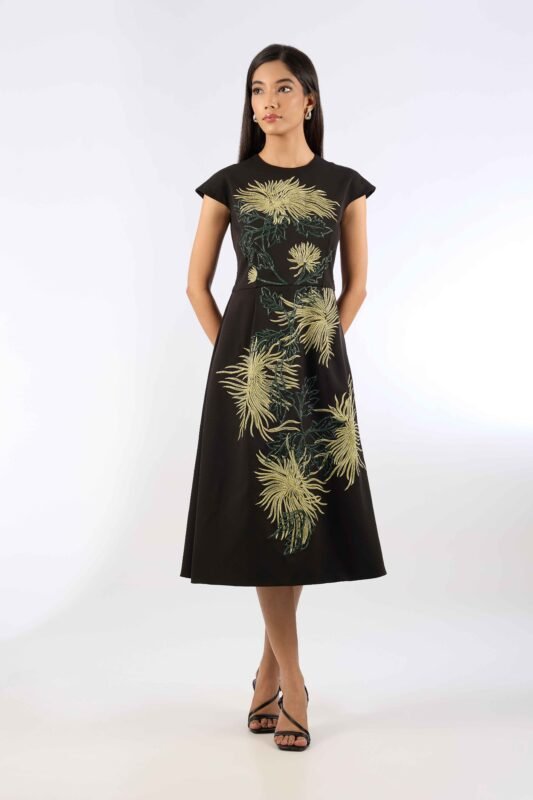
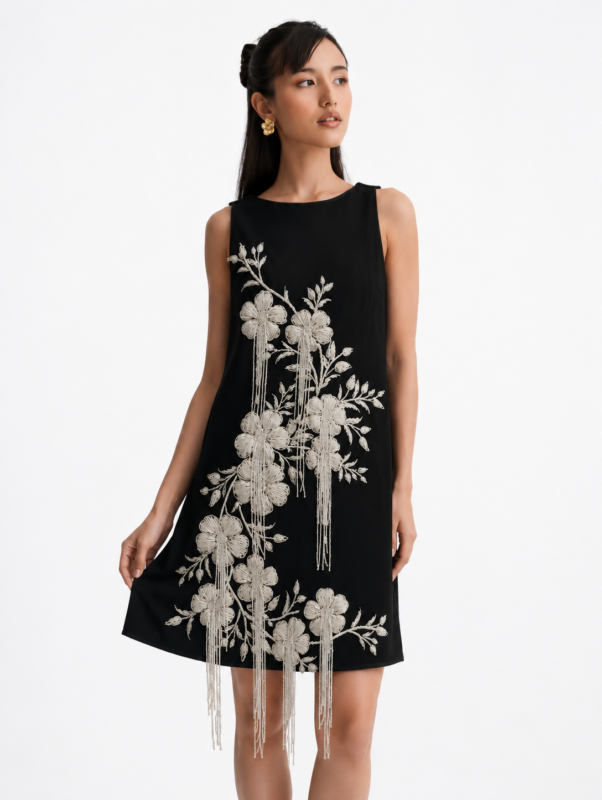
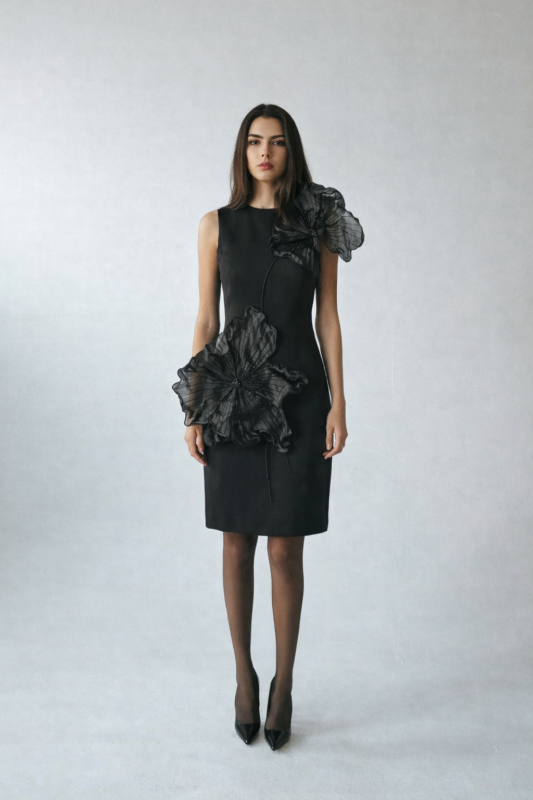
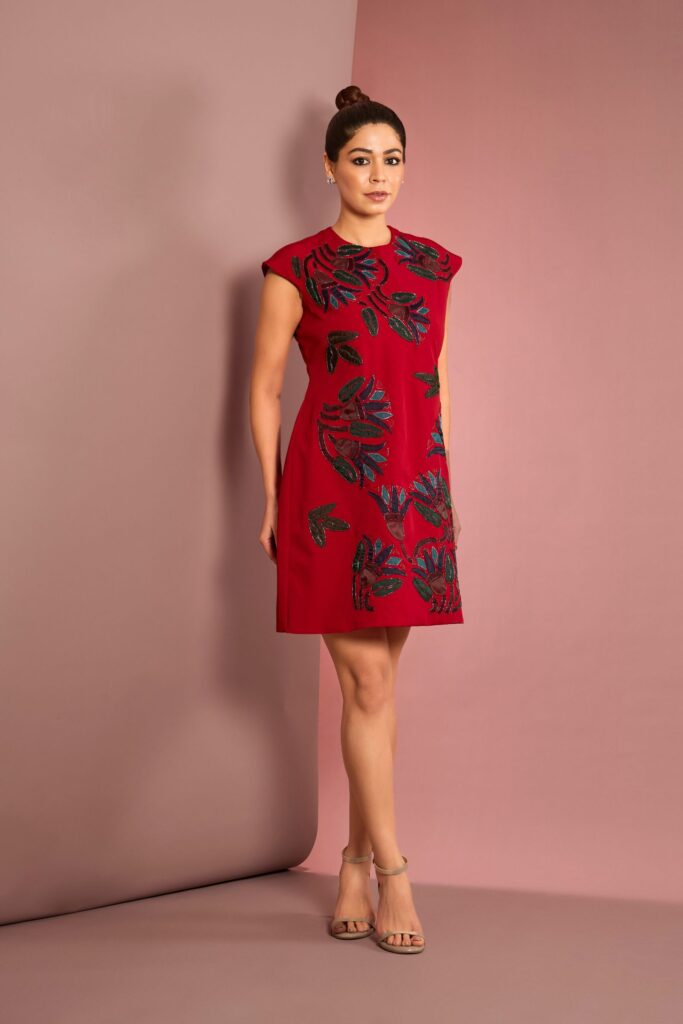
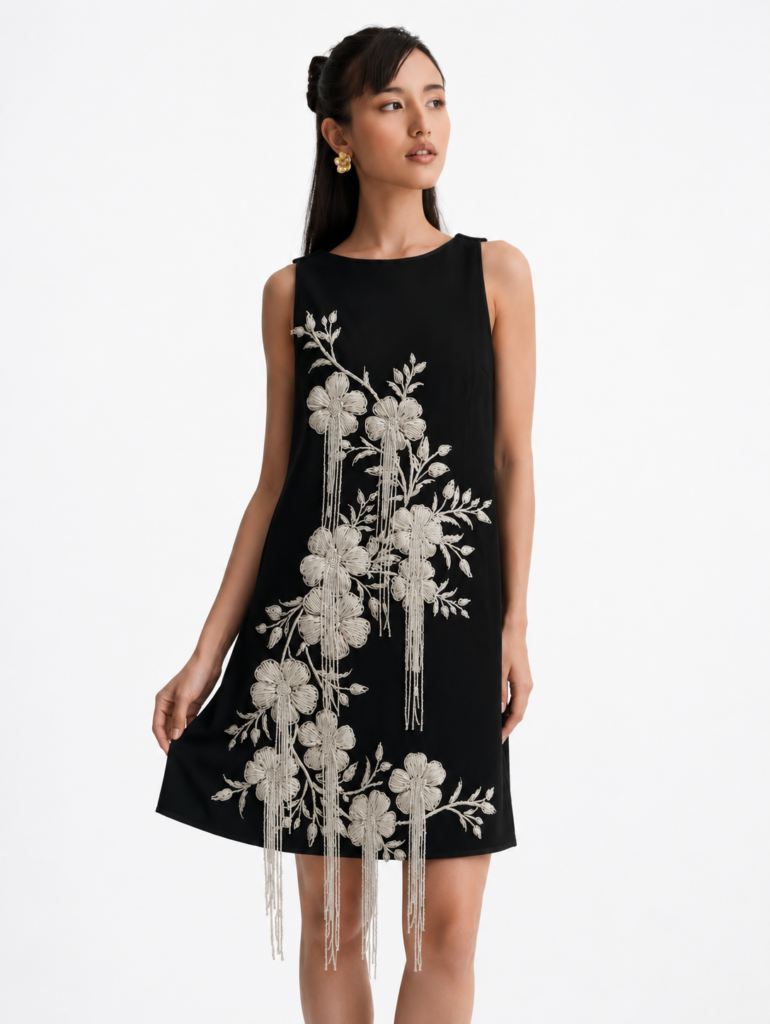
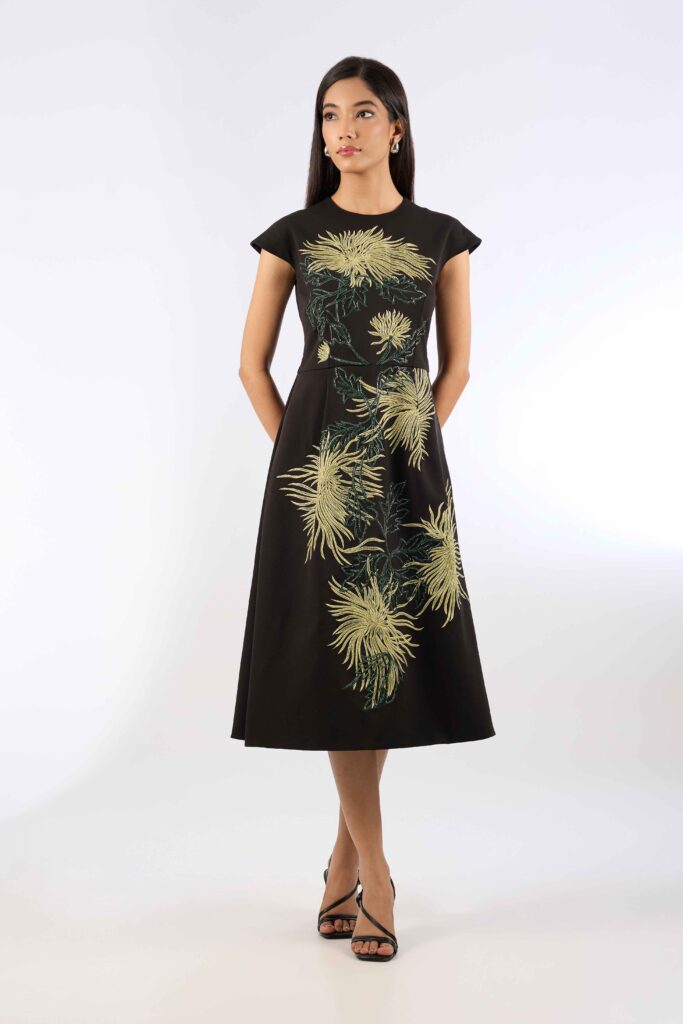
A heavily worked dress is, in a sense, a small piece of textile art. Hand-applied beads, sequins, organza flowers and thread embroidery are all attached to a base fabric by hundreds or thousands of small stitches. They are durable when treated well and unforgiving when they are not.
This guide is general advice rather than garment-specific instructions. Every piece is different, so the first rule is also the last: follow the care label on your own garment, and ask a professional if it is unclear.
Before you wear it
Most damage to embellished clothes happens in the first ten minutes of getting dressed. A few habits help.
- Do your hair, make-up and perfume first. Hairspray and fragrance can leave marks and residue on delicate fabrics and finishes.
- Remove rings and bracelets with sharp edges or check that they do not catch on appliqué, net or organza.
- Step into the garment where possible, rather than pulling it over your head, to protect the neckline and make-up.
- Zip with care. Hold the fabric flat near the zip so no thread or bead catches.
While you wear it
Think about what the garment will touch. Rough surfaces such as brick walls, wooden chairs and car seats can snag or abrade embellishment. Bag straps and seat belts rub the same spot repeatedly, so choose a clutch or small shoulder bag for an embellished dress, and be mindful of where the strap lies.
Be careful with food and drink. If you spill something, blot gently with a clean white cloth; do not rub. Tell your dry cleaner what the spill was and when it happened. Do not apply water, stain remover or any home remedy to embroidered or beaded fabric unless the care label says it is safe.
Blot, never rub. And tell the dry cleaner exactly what happened.
After you wear it
- Let it air. Hang the garment on a padded hanger in a ventilated space for several hours before storing.
- Check for loose threads or beads. Catch them early. If you find a loose thread, do not pull it. Secure it with a few stitches or take it to a tailor.
- Keep any spare beads or sequins that came with the garment, if any, in a labelled bag.
- Do not over-clean. Cleaning is rough on embellished pieces. Airing and spot attention are often enough between wears, though a professional can advise.
Cleaning: leave it to professionals
Many embroidered and embellished garments carry a dry clean care instruction; some product pages on this site specify it. Where this is the case, choose a dry cleaner with experience of embellished or occasion wear, and tell them about the embellishment, the fabric and any marks. Ask how they handle beaded pieces; many protect them in a cloth cover or special bag.
Avoid washing machines, hot water and iron-on steam on or near embellishment, unless the care label explicitly permits it. Never iron directly over beads, sequins or raised embroidery. If a piece needs pressing, ask your tailor or dry cleaner.
| Do | Avoid |
|---|---|
| Follow the care label | Guessing or using home remedies |
| Blot spills gently | Rubbing or scrubbing |
| Use a padded hanger or lay flat | Thin wire hangers |
| Tell the dry cleaner about embellishment | Assuming all dry cleaners handle beads |
| Store in a breathable garment bag | Plastic covers for long-term storage |
Storing embellished garments
The right storage method depends on weight and structure.
- Light, structured dresses: hang on a padded hanger inside a breathable cotton garment bag.
- Heavy, heavily beaded pieces: consider laying them flat in a wide, shallow drawer or box lined with acid-free tissue, because the weight of beading can stretch shoulders and seams on a hanger.
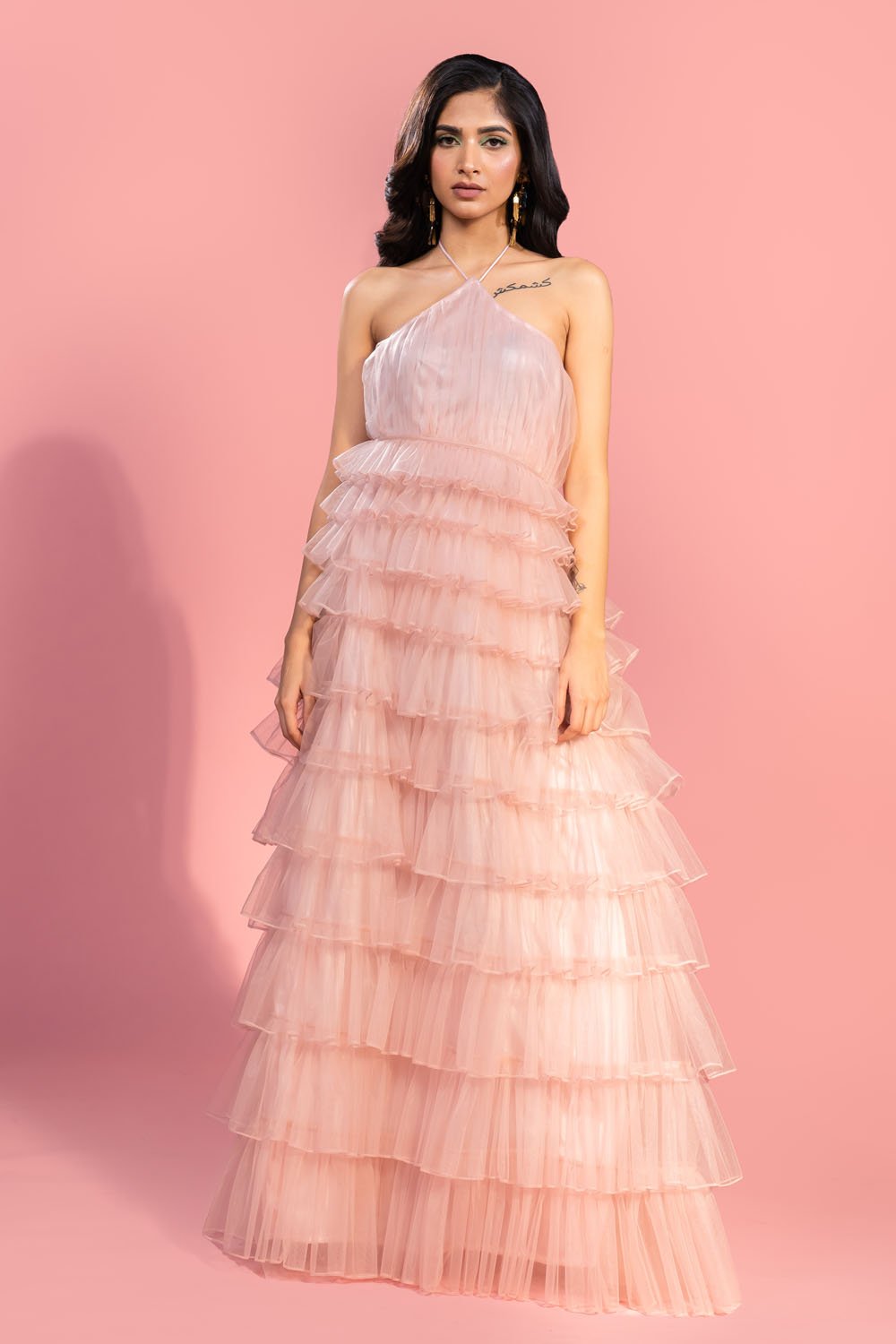
- Tulle, net and organza pieces: avoid folding them tightly. Store them loosely, with tissue between layers.
- Anything delicate: keep away from direct sunlight, which can fade some colours, and from damp, which encourages mildew.
Avoid plastic covers for anything but short-term transit, because they trap moisture. Keep a few sachets of a mild, non-oily scent or cedar nearby if you like, but not directly on the garment.
Repairs: know when to stop
A few loose sequins or a snagged thread are normal over time. A good tailor can usually re-secure beads or repair small areas of embroidery. If a larger area is damaged, or if you are unsure, bring the garment to a professional rather than attempting a repair at home. If you ordered from Parneet Gujral and received a piece that is damaged or defective on arrival, the Return Policy describes how to report this within 48 hours of delivery to info@parneetgujral.com, with clear photographs.
Travelling with embellished pieces
Pack flat where possible, in tissue paper, on top of other items. Keep embellishment away from zips and hooks that could catch. If you need to carry a dress in your cabin bag, fold along natural lines rather than across embroidery. On arrival, unpack and hang it immediately, and let any creases relax before considering pressing. Our vacation packing guide covers travel packing in more detail.
A simple seasonal routine
- Before the season: check each piece for loose threads, beads or marks, and book any repair or cleaning in good time.
- After each wear: air, inspect, and put away on the right hanger or in tissue.
- After the season: have anything that was worn heavily cleaned by a professional before long-term storage, so marks do not set.
Understanding what you own
The more you know about the construction of a piece, the better you can care for it. Our fabric guide explains how different materials behave, and our article on made-to-order garments describes why detailed pieces take time to prepare.
Shop pieces with craft at their heart
Explore the handcrafted floral work of Fiore Riviera, the heritage-inspired embellishment of Echoes of Jaipur or the full range of dresses. Questions about care? Message the team on WhatsApp.
Frequently asked questions
Can I wash an embroidered dress at home?
Only if the care label explicitly says so. Many embroidered and embellished garments are labelled for dry cleaning. If you are unsure, ask your dry cleaner or tailor before getting the piece wet.
How should I remove a stain from a beaded garment?
Blot gently with a clean white cloth and avoid rubbing or applying home remedies. Take the garment to a professional cleaner as soon as possible and tell them what caused the stain.
Is it better to hang or fold an embellished dress?
Light dresses can hang on a padded hanger. Heavily beaded or very delicate pieces are often better laid flat with acid-free tissue, so the weight does not stretch the shoulders.
How often should I dry clean an embellished garment?
As little as necessary. Airing between wears and spot attention are often enough, and a professional can advise on frequency for your garment.