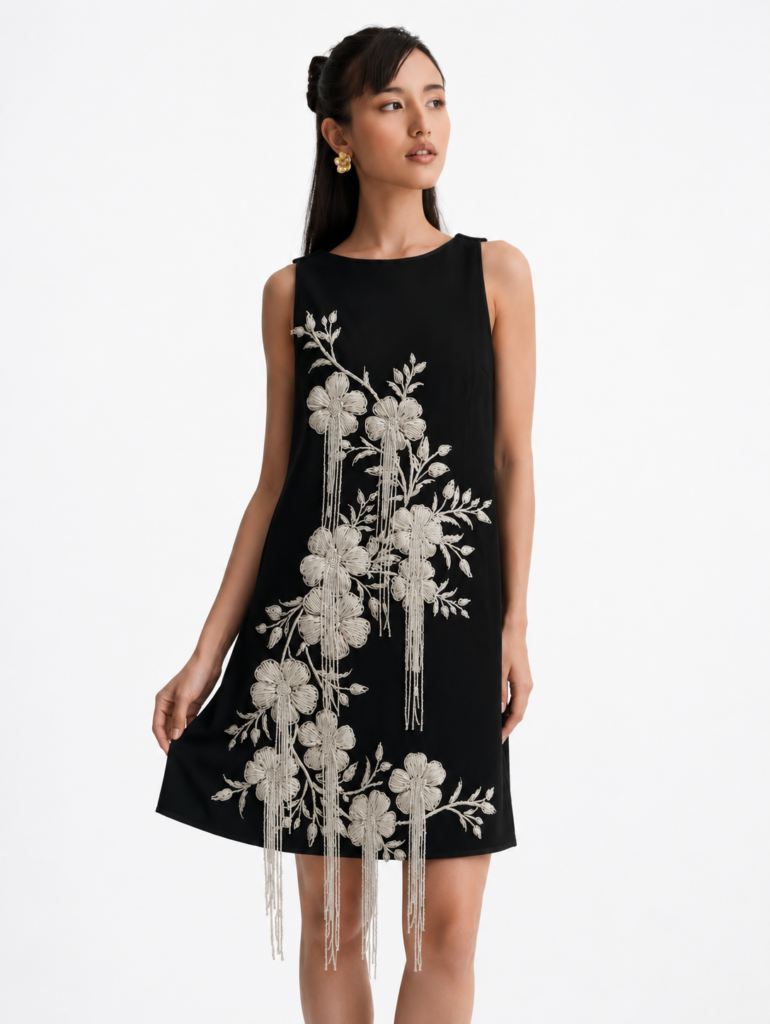
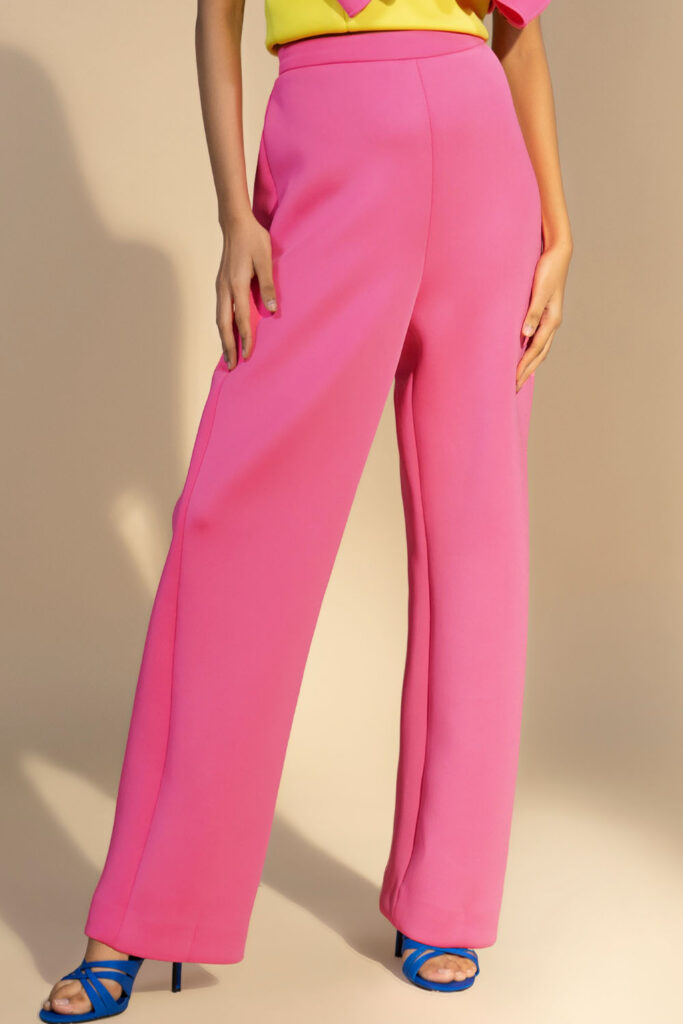
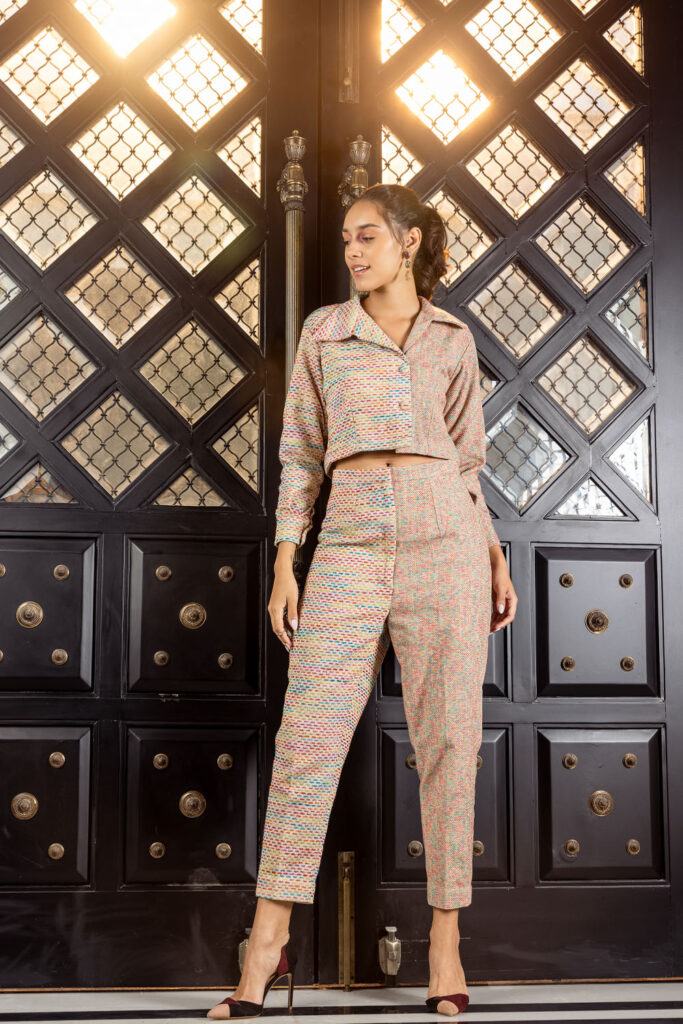
In brief
An Indian wedding is several events, and each one has its own mood. Mehendi is daytime and playful, sangeet is evening and expressive, the ceremony is traditional and the reception is the most formal. This guide helps you plan one outfit per event, choose fabrics that survive long days and avoid the few colours that cause awkward moments.
If you have ever been to a wedding in India, you know the invitation is only the beginning. There may be a mehendi in the afternoon, a sangeet that night, a ceremony the next morning and a reception after that. Some guests wear five different outfits across three days, and nobody blinks.
That is a lot of dressing, so it helps to think in terms of events, not pieces. Here is how to approach each one, with ideas that work whether you prefer Indo-western silhouettes or something closer to occasion wear.
Start with the basics: season, venue and family
Before choosing anything, answer three questions.
- When is it? A June wedding in Udaipur and a December wedding in Delhi need very different fabrics. For winter ideas, see our guide to winter wedding layers and coats.
- Where is it? Lawns, palace courtyards, banquet halls and beach venues each influence footwear and hemline. Heels sink in grass; long hems gather dust.
- Whose wedding is it? Family conventions matter. At some weddings guests are expected to dress traditionally; at others, cocktail attire is welcome. If in doubt, ask someone close to the family.
Mehendi: colour, ease and movement
Mehendi is usually a daytime, outdoors, sit-on-the-floor kind of event. The brief is colourful but comfortable. Pastels, fresh florals, greens and yellows are the classic palette, and you will probably be seated for long stretches, so avoid anything that needs constant adjustment.
Co-ord sets are a strong choice here, because you can move freely and the separate pieces can be restyled later. The Sunlit Reverie Set from Sunkissed Horizon shows the kind of soft palette and floral work that suits a mehendi lawn.
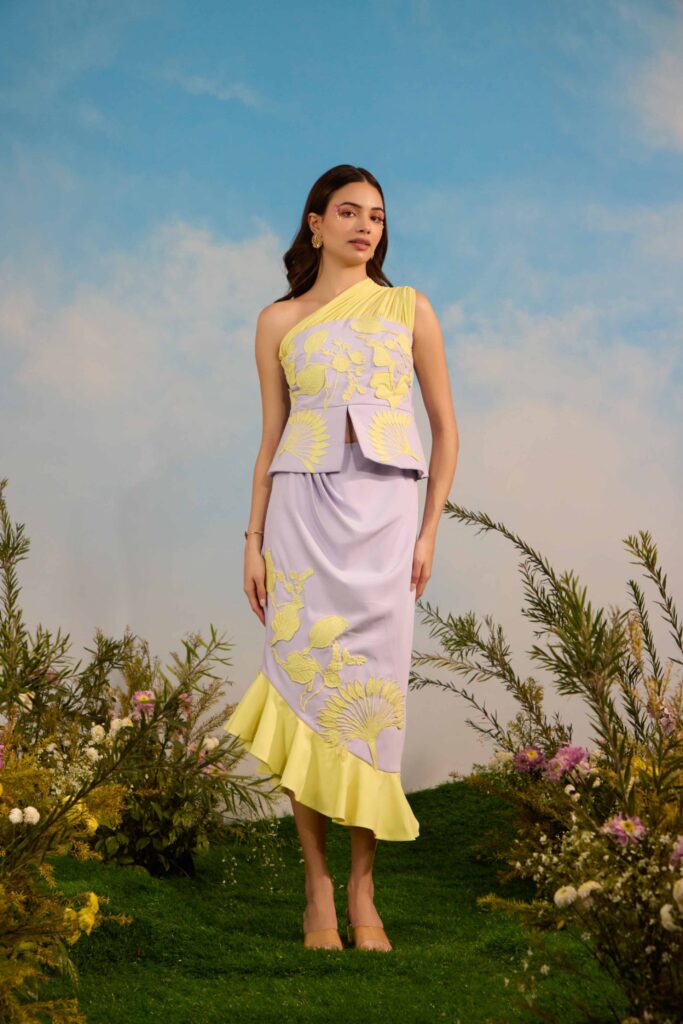
Practical notes: choose flat sandals or wedges for grass, avoid fabrics that stain easily (henna can transfer) and keep jewellery light so you can eat and move.
Sangeet: the one where you can be bold
Sangeet is the most expressive evening. There is music, choreography and photographs, so choose something with movement and presence. A dress with volume at the hem, a structured jumpsuit that lets you dance, or a statement co-ord all work well.
| If you will be dancing | Choose | Avoid |
|---|---|---|
| A lot | Flared skirts, jumpsuits, stretch-friendly cuts | Very narrow hems, heavy trains |
| A little | Fitted midi, embroidered sheath | Fabrics that crease badly when seated |
| Not at all | Gowns and long silhouettes | Nothing, enjoy it |
Our guide to styling a jumpsuit or gown has more on how to choose between those two shapes.

The ceremony: respect the tradition
Daytime ceremonies are usually the most traditional event. Even if you are not wearing Indian wear, choose modest necklines, longer hems and richer fabrics. Avoid white, ivory and black unless the family has indicated otherwise, as these colours carry particular associations at many ceremonies. Colour is welcome, as are tonal embroidery and delicate beadwork.
If the ceremony is in a temple or gurdwara, carry a dupatta or light scarf to cover your head. This is a courtesy worth planning for.
The reception: the most formal evening
The reception is where gowns and sophisticated evening wear belong. Think sculpted silhouettes, rich colour and carefully chosen jewellery. A gown such as those in our gowns collection works well here, as do structured dresses with embellishment.
Avoid dressing to outshine the bride. The goal is to look elegant and celebratory while leaving the spotlight where it belongs.
Dress for the event, not the invitation list. A mehendi and a reception are two different rooms.
Colours to think twice about
- White and ivory: traditionally associated with the bride at many Indian weddings, and with mourning in some communities. Check before wearing.
- Red: often the bride’s colour. If you love red, choose a distinctly different shade or a print.
- Black: opinions differ by family and region. At a modern cocktail-style reception it is often fine; at a ceremony, ask first.
Our colour guide goes deeper into building a palette for each event.
What to wear if you are in the wedding party
Bridesmaids, groomsmen’s partners and close family usually receive guidance from the couple, sometimes with a shared palette. Ask early what the colour story is and whether outfits should be coordinated or simply complementary. If you are free to choose, pick something that photographs well next to others: mid-depth colours and matte fabrics tend to look harmonious in group pictures, while very shiny fabrics can look uneven under flash. The site tags a selection of pieces as Bridal Party, which is a handy place to start browsing.
Whatever the brief, try the complete look, shoes and jewellery included, at least a week before the first event. That leaves time to fix a hem, replace a shoe or change your mind.
Packing for a multi-day wedding
- Lay out each event’s outfit with shoes, jewellery and any undergarments.
- Add one spare outfit in case of spills or weather.
- Choose fabrics that travel well. Crepe and structured fabrics tend to arrive in better shape than delicate sheers.
- Carry a small steamer or ask the hotel for pressing service.
- Photograph each look so you can check for repeated jewellery or shoes.
Etiquette notes worth remembering
A few small courtesies go a long way. Carry a light scarf or dupatta for religious spaces. Keep the volume of your outfit in check on crowded dance floors, as very large skirts can be a hazard. Avoid anything that sheds sequins or glitter on shared seating. And if photographers are circulating, stand in natural light where you can; a flattering photograph begins with where you stand, not just what you wear.
Finally, give yourself time. Dressing for several events in a row is easier when each look is planned, steamed and packed the night before.
Plan ahead if your outfit is made to order
Every piece at Parneet Gujral is made to order, and the Shipping Policy lists dispatch within 8 to 10 working days in India and 12 to 14 working days internationally. Add transit and a margin for any alteration, and order several weeks before the first event. Our sizing guide will help you get the measurements right the first time.
Shop the wedding guest edit
Browse the full Wedding Guest and Festive edit, the heritage-inspired pieces in Echoes of Jaipur or our co-ord sets. For help choosing between pieces, message the team on WhatsApp.
Frequently asked questions
What should a guest wear to a sangeet?
Something expressive that you can move in: a flared dress, a jumpsuit or a statement co-ord set. Choose colour and texture over restraint, and wear comfortable shoes.
Can I wear a western dress to an Indian wedding?
Yes, at most modern weddings. Choose a modest cut, a richer fabric and some embellishment so the outfit feels festive, and avoid white, ivory or head-to-toe black at the ceremony.
How many outfits do I need for a three-day wedding?
Typically one for each event you are attending, plus a spare. Many guests wear separates that can be mixed across days to reduce what they pack.
How early should I order a made-to-order outfit?
As early as you can. Allow the stated dispatch window, transit time and a buffer in case you need an alteration before the event.